
Did We Accidentally Make Adulthood Optional?

Notes From The Sidelines • June 22, 2026

Growing Older Isn't The Same As Growing Up

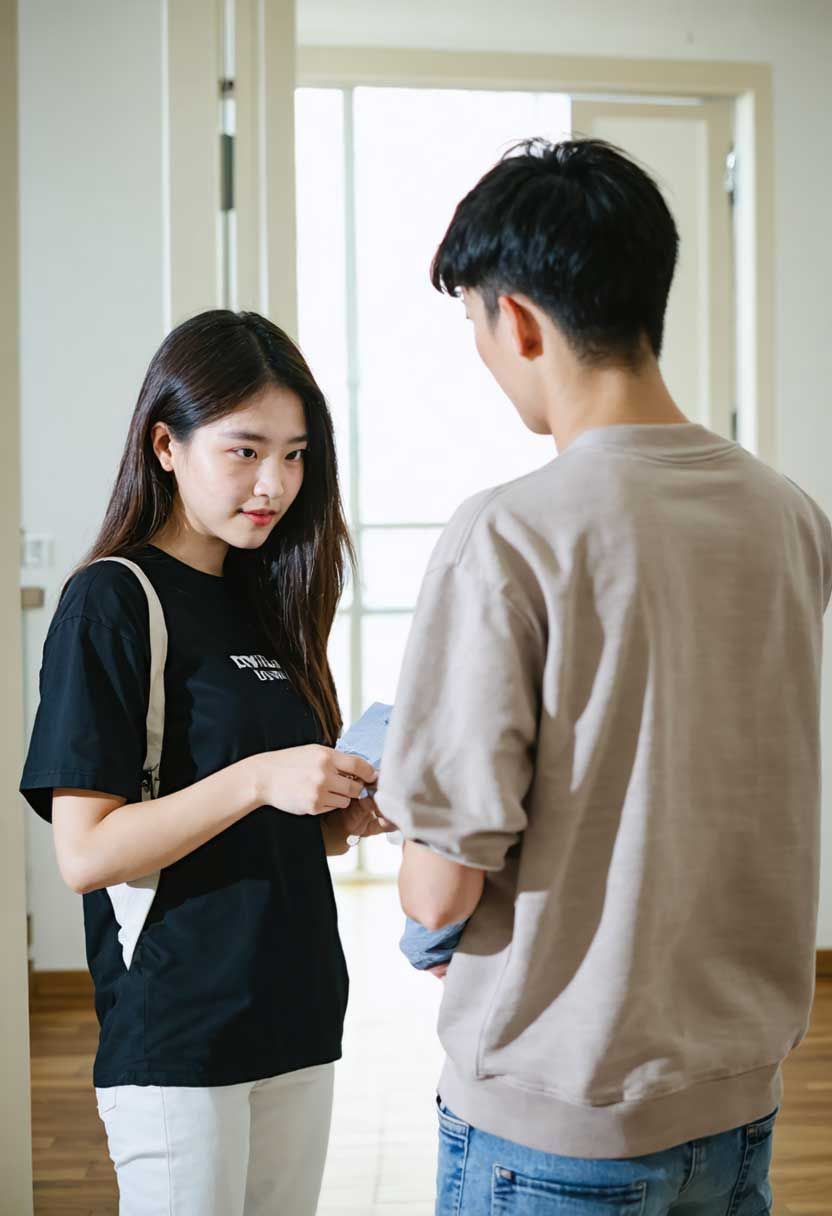
A young couple inspect an apartment they are hoping to purchase

Talk to almost anyone over the age of forty and you'll hear some version of the same observation.

When they were thirty, many of their friends had already left home, settled into a career, bought a house, started a family, or at least committed to a direction in life. Today, plenty of thirty-year-olds are still renting, changing careers, living with their parents, delaying relationships, travelling the world or keeping their options open.


The immediate reaction is often to accuse younger generations of refusing to grow up. But that explanation feels too simple.


The world has changed dramatically over the past twenty years. Economic pressures are different. Social expectations are different. The opportunities available to young adults are different.


Perhaps adulthood hasn't disappeared at all. Perhaps we've simply made it optional.


What Used To Define Adulthood?


For most of modern history, adulthood came with a fairly clear set of milestones. You left school. You got a job. You moved out. You found a partner. You bought a home if you could. You started a family if you wanted one.


Not everyone followed that exact path, but society largely agreed on what adulthood looked like.

Those milestones acted as signals. They told both the individual and the community that childhood had ended and responsibility had begun.


The interesting question is whether previous generations became adults because they were more responsible or because society simply expected them to take on responsibility sooner. When everyone around you was leaving home at twenty-one, staying in your childhood bedroom until thirty wasn't really considered an option. You felt left behind or not independent enough.


The Freedom Revolution


There is no question that modern society has expanded personal freedom. People can pursue careers that didn't exist twenty years ago. They can travel more easily. They can marry later or not at all. They can choose not to have children without attracting the same level of social criticism.


In many ways, this is genuine progress.


People are no longer forced into relationships they don't want, careers they hate or lifestyles that don't suit them. But every gain comes with a trade-off. Freedom creates opportunity, but it can also create uncertainty.


When there is no longer a clear path, people must create their own. And that turns out to be much harder than it sounds.


When Every Option Stays Open Forever


Modern life encourages us to keep our options open.


  • We can change careers.
  • We can move cities.
  • We can swipe through thousands of potential partners.
  • We can reinvent ourselves whenever we choose.


At first glance, this seems empowering. Yet there is a downside to endless possibility. The more options we have, the harder decisions become.


Many people spend years searching for the perfect job, the perfect relationship or the perfect life. In doing so, they sometimes miss the value of committing to something imperfect and building it into something meaningful.


At what point does keeping your options open become avoiding a decision altogether?


The Economics Of Delayed Adulthood


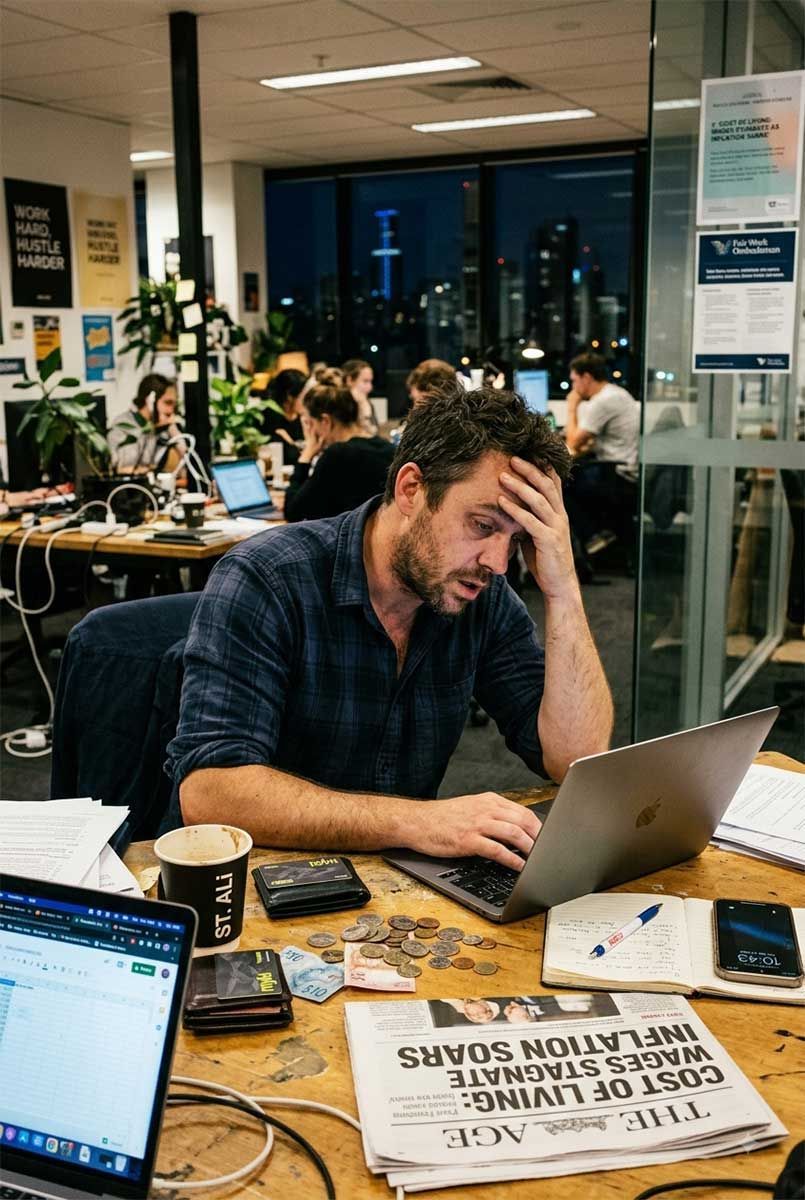
Before we start blaming individuals, it's important to acknowledge reality. Housing affordability has become one of Australia's defining challenges. Property prices have risen dramatically. Rent consumes a larger share of income. Wages have not always kept pace with living costs. University debt, insurance, utilities and everyday expenses continue to climb.


For many young Australians, the traditional milestones of adulthood simply cost far more than they did for their parents.


The twenty-five-year-old living at home today may not be avoiding responsibility. They may simply be responding to economic conditions. Ignoring that reality would make this conversation dishonest. Is It Too Expensive To Leave Home Or Are We Less Willing To Sacrifice?


As little as 5 years ago I would have said definitively they just didn't know how to go without things like we did. I took my lunch to work almost my entire early 20s for no other reason than that was the type of sacrifice you had to make to save enough money for a home. We met friends after dinner so we didn't have to pay for that, we celebrated with BYO BBQ's instead of going out, we both lived at home to save as much money as we could. My fiancé even started riding his bike to work every day to save on fuel costs.


The real indicator though was that this was completely acceptable. People knew why were being so frugal and nobody batted an eyelid. This was what you did!


We were also prepared to start a the bottom. Peeling paint, ugly tiles, too small cupboards were just how you got into the market.


I still believe I was right in this assumption at the time. However as costs of living and home prices spiral ever skyward, I now believe that we are looking at a generation of Aussies who may never own their own home.


This is where the discussion becomes uncomfortable.


While housing has undoubtedly become more expensive, it is also worth asking whether expectations have changed. Previous generations often accepted lifestyles that many people today would reject.


  • They bought smaller homes.
  • They lived further from city centres.
  • They drove older cars.
  • They took fewer overseas holidays.
  • They delayed upgrades and luxuries in order to achieve long-term goals.


Today's young adults face genuine financial barriers, but they also live in a culture that constantly encourages consumption. Social media exposes people to lifestyles that once would have been invisible. The pressure to travel, dine out, upgrade technology and keep up appearances is relentless.


The question isn't whether life is harder financially. It clearly is in many respects. The question is whether some of the sacrifices previous generations made have become less socially acceptable.


How much of delayed adulthood is driven by economic reality and how much is driven by changing priorities?


The answer is probably somewhere in the middle.


Have We Turned Self-Discovery Into A Permanent Project?


Few ideas are more celebrated today than self-improvement. We're encouraged to find ourselves, heal ourselves, reinvent ourselves and become the best version of ourselves. Again, there is plenty of value in this. Personal growth matters.


The problem arises when self-discovery becomes endless. Some people spend years preparing for life instead of living it. There is always another course to take, another issue to work through, another reason why now isn't quite the right time.


Eventually, self-improvement can become a comfortable form of procrastination. At what point does working on yourself become a way of avoiding building a life?


Are We Less Willing To Accept Responsibility?


One of the defining features of adulthood is responsibility. Not perfection. Not success.


Responsibility.


Taking ownership of our decisions, our mistakes and our future. Yet modern culture often sends mixed messages. We are encouraged to understand why things happen, which is valuable. But understanding can sometimes drift into excusing.


  • We explain.
  • We justify.
  • We analyse.


Sometimes we forget to act. Responsibility can feel heavy. Delaying it can feel comfortable. But adulthood has always involved accepting burdens that we would rather avoid.


What Have We Lost By Delaying Adulthood?


Every cultural shift creates winners and losers. The increased freedom of modern life has brought enormous benefits. But it may also have cost us something. Long-term relationships often begin later.

Communities can feel weaker. People move more frequently.


Many adults report feeling isolated despite being more connected than ever. Traditional milestones weren't just personal achievements. They connected individuals to families, neighbourhoods and communities.


When those milestones disappear or arrive much later, something else may disappear with them.


Or Have We Simply Redefined Adulthood?


Perhaps this entire discussion starts from a flawed assumption. Maybe adulthood isn't disappearing at all. Maybe it simply looks different.


Perhaps today's adult is someone who starts a business instead of buying a house. Perhaps they choose experiences over possessions. Perhaps they remain child-free but still contribute meaningfully to society. Perhaps adulthood has never really been about ticking boxes.


Maybe it has always been about taking responsibility for the choices we make.


Is Adulthood A Stage Or A Decision?


The more you examine this issue, the harder it becomes to blame any single generation. Young people face challenges that previous generations never encountered. At the same time, modern society offers more opportunities to delay commitment than ever before.


Maybe adulthood isn't something that arrives automatically with age. Maybe it never was.


Perhaps adulthood begins when we stop waiting for life to happen and start taking responsibility for the life we choose.


The real question isn't whether adulthood has become optional.


The real question is whether modern society has made it easier than ever to postpone the moment we decide what kind of adult we want to be.


Join the conversation and have your say over on Medium


Notes From The Sidelines

Share this article

Recent Posts

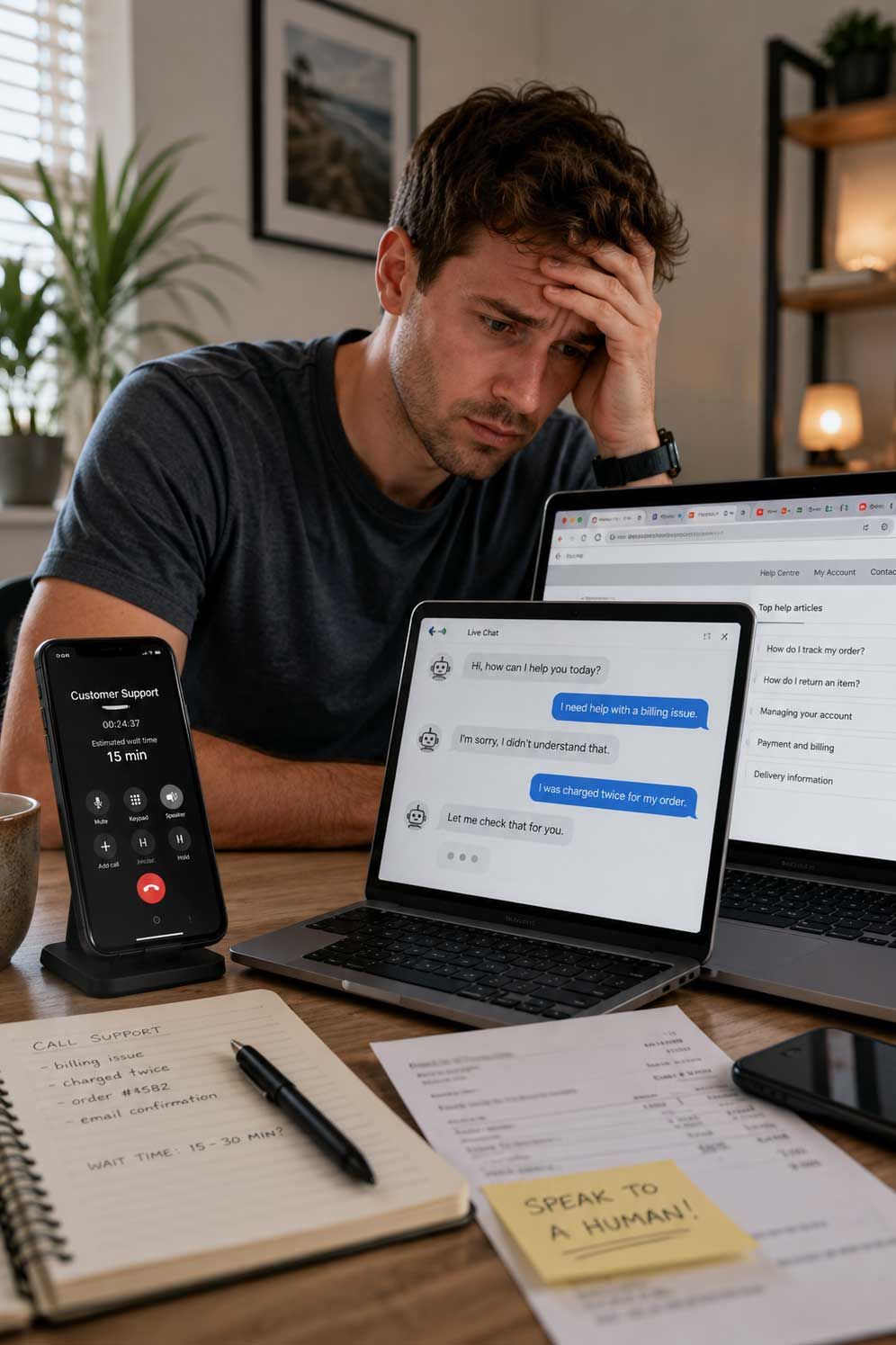
A man frustrated with bad customer service.
By Notes From The Sidelines June 22, 2026
Has technology improved customer service or simply made it cheaper for businesses? Explore chatbots, self-service systems, offshore support and the value of speaking to a real person.
A smartphone sitting on a kitchen bench
By Notes From The Sidelines June 22, 2026
Smartphones have made life easier, but have they also reduced our curiosity, creativity and willingness to experience the world firsthand?
A couple sit at a cafe having a conversation
By Notes From The Sidelines June 22, 2026
Have we forgotten how to disagree? Explore whether modern society has started viewing debate as confrontation, why differing opinions feel more personal than ever, and what we may have lost along the way.

An employee and his supervisor chatting in a manufacturing workshop.
By Notes From The Sidelines June 22, 2026
Have workplace protections gone too far, or are employers simply avoiding difficult conversations? We explore the challenges of performance management, accountability and fairness in modern Australian workplaces.
A man and a pregnant woman sitting on a park bench talking.
By Jenny Marsden June 22, 2026
Modern sexual freedom has transformed society, but pregnancy can still change lives forever. Explore the difficult questions around choice, responsibility, child support and reproductive rights.
A woman walking along a riverside path.
By Jenny Marsden June 22, 2026
Healing is supposed to feel like freedom, so why does it sometimes feel like betrayal? Exploring grief, recovery and the guilt that can come with moving forward.

A man sits on a bench by the ocean contemplating his loss.
By Notes From The Sideline June 22, 2026
If grief is the currency of loss, how much do we need to spend? Questioning whether suffering is always necessary to honor the people we love.
An employer frustrated over not being able to get people to just do their jobs.
By Notes From The Sidelines June 22, 2026
Is it getting impossible for employers to just ask people to do their jobs?